

Hospitality has always been about creating memorable experiences. Yet as the industry evolves through rapid technological advancement and shifting customer expectations, the heart of success now lies in something less tangible: leadership that fosters connection, innovation, and cultural alignment.
Laura Butcher, Program Director at Executive Development at UNC Kenan-Flagler Business School, partners with hospitality organizations to build leadership capabilities that drive transformation. With an MBA from Vanderbilt and nearly 35 years of global consulting and HR leadership experience at companies like GE, Bank of America, and Delta Air Lines, she brings deep expertise in talent strategy and change leadership. Through immersive, long-term development programs, Laura helps leaders translate vision into action, creating meaningful change and measurable impact.
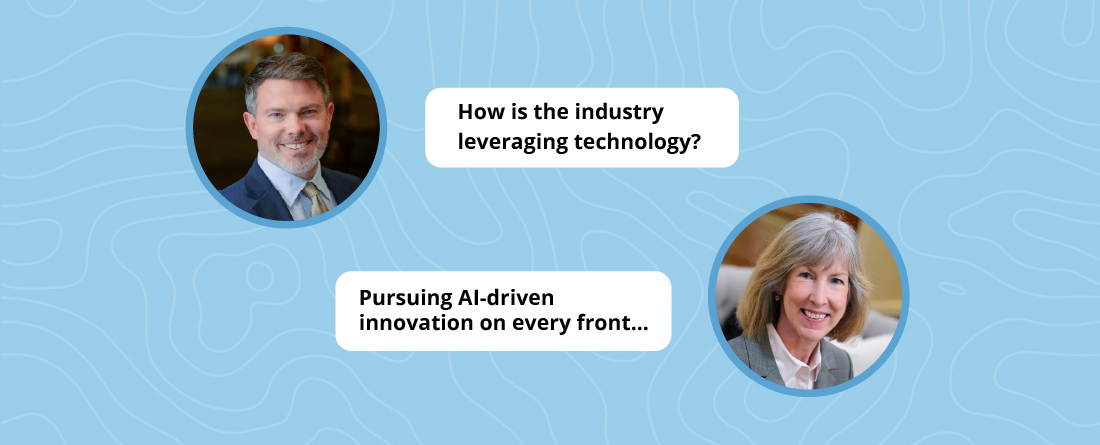
In a recent discussion, Laura sat down with UNC Executive Development President Stephen Hyde to discuss how leaders in the hospitality sector are navigating this evolving landscape. They share real-world examples from recent programs that show how organizations are redefining leadership development to meet modern challenges and strengthen culture.
Developing Leaders Who Shape Culture
When inviting Laura to share her perspective on how hospitality organizations can develop leaders who both uphold and evolve their culture over time, Stephen reframes leadership development as a long-term cultural responsibility. “Based on your experience working directly with these global hospitality organizations, what does it take to build leadership capacity that can sustain and strengthen culture over time?”
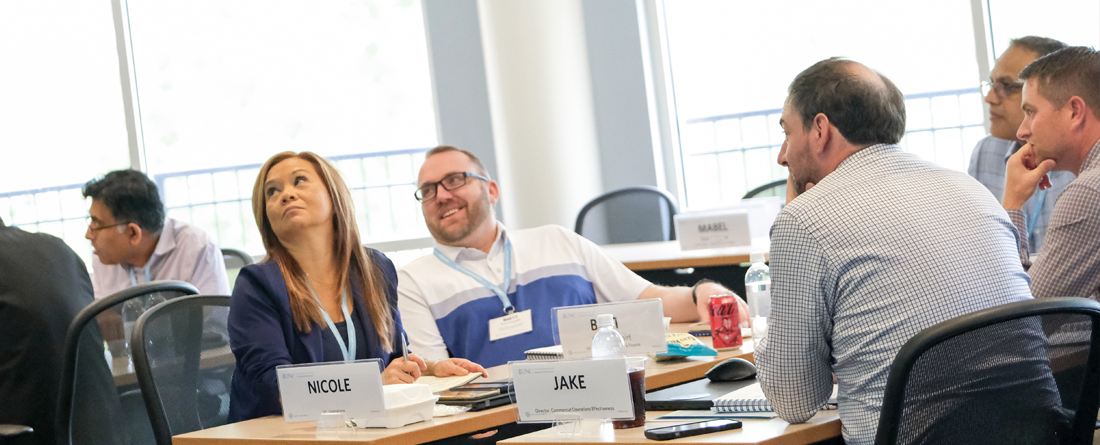
Laura sees a key shift play out repeatedly in cohort‑based programs. Participants often arrive focused on immediate, tactical concerns, but learning together prompts a broader view of leadership and culture. “Through a shared experience, they develop a better understanding of the culture they want the organization to have,” she explains. “They realize that, together, they can shape that culture because they influence so many others.” Over time, participants like these start to see themselves not just as individual contributors, but as the next generation of senior leadership within the organization.
What stands out to Stephen is how participants’ sense of identity changes as they progress through a program. “That shift is fascinating: how they view themselves not just as individuals, but as a unified cohort moving up together to the next level of leadership.”
This insight underscores a powerful change: participants moving from a tactical mindset to seeing themselves as future senior leaders who can shape organizational culture. While not an explicit learning objective, a key transformation like this often becomes one of the most meaningful outcomes of an executive development program. As leaders build confidence in delegating, empowering others, and aligning strategy with action, they evolve into catalysts for broader organizational change.
Retaining Talent Through Belonging
The hospitality industry faces one of the most pressing talent challenges across sectors: retaining high-potential employees in a competitive environment. Stephen approaches this challenge through the lens of trust. “What keeps leaders committed? How can organizations build enough trust to retain top talent, and does executive development play a role?”
Throughout her career, Laura has consistently seen how well‑designed executive development programs strengthen commitment and foster a deeper sense of belonging. “Top talent has options for their careers. They are more likely to stay when they feel that the company is making an investment in them and when they feel they are continuing to grow as leaders. Cohort-based executive development experiences are a very clear and tangible way that companies demonstrate their investment in top talent.
“I experienced a great example of this recently,” she continues. “A participant told me that before their program experience with UNC Executive Development, they had been considering leaving their company. However, because of their company’s investment in them, they felt re-engaged, re-energized, and re-committed to the organization.”
Laura credits shared learning experiences as a powerful way to build relationships and trust among peers—factors that consistently drive engagement, retention, and long‑term talent‑bench strength. She also cautions that these outcomes should not be treated as intangible. “Organizations should treat these outcomes as measurable and trackable, not only engagement scores and retention, but also the job moves, promotions, and expanded responsibilities of leaders who participate in learning and development programs.”

Integrating Technology and Human Connection
Digital transformation emerges as another defining pressure shaping leadership in hospitality. Stephen has observed firsthand that technological disruption shows up across nearly every executive education program, raising questions about how both the hospitality industry and its learning models are evolving to keep pace. “I’m curious about how hospitality—and its executive education programs—are leveraging technology and digital transformation.”
Across the organizations Laura works with, AI‑driven innovation is reshaping nearly every aspect of the hospitality experience. “Hospitality businesses that we’re working with are pursuing AI-driven innovation on every front. It’s exciting to watch participants as they engage cross-functionally with their peers to explore ways technology can enhance the customer experience through greater personalization of offerings, guest amenities, services, and even food and beverage. Technology is putting more control of the travel or vacation experience directly in the hands of the guest.”
She also emphasizes how frequently participants examine value creation at the intersections of the business rather than within functional silos. “Participants in our programs are frequently exploring value creation through innovations that span multiple business functions, like customer service and revenue management, or supply chain and facilities management.”
Together, these perspectives reflect a broader shift in how leaders are encouraged to engage with technology. Rather than treating it as an isolated capability, the discussion frames digital transformation as a catalyst for enterprise‑wide improvement that strengthens systems thinking, accelerates collaboration, and opens new pathways for innovation across the organization.
Cultivating an Enterprise Mindset
For leaders who have excelled in day‑to‑day hospitality operations, professional growth often requires expanding their lens beyond individual functions to the enterprise as a whole. Stephen builds on this idea by moving the conversation beyond tools and systems to the human side of innovation. “How do you see innovation evolving, not just from a technology standpoint, but in terms of what it takes for people to fully embrace it with—as we say on the UNC Executive Development team—‘head, heart, and hands’?”
At the heart of Laura’s experience working with hospitality leaders is the belief that innovation is less about isolated breakthroughs and more about how people work together. “Innovation in hospitality requires strong collaboration across functions and disciplines to be effective, embraced, and sustained. We have been helping leaders think strategically about innovation at the enterprise level rather than strictly from their functional discipline. Importantly, our faculty also work with our hospitality clients on strategies to establish a culture of innovation and the right conditions in their teams for ideas to be heard, experiments to be rewarded, and risks to be recognized and managed.”
In Stephen’s view, these challenges are increasingly interconnected. “Today’s leaders in hospitality have to navigate empathy, behavior change, organizational capacity, innovation, change leadership…and how they can engage others in navigating these challenges.”
Laura returns to a core principle she sees playing out across the hospitality sector: Sustainable growth ultimately depends on people. “Managing growth and scaling operations globally in a dynamic geopolitical landscape are certainly challenges facing leading hospitality organizations. But one thing is for sure: Hospitality businesses know their brands are fueled by people. The best hospitality leaders understand that creating memorable experiences for guests begins with creating meaningful experiences for their people. And world-class guest experiences are delivered by people who are supported by great leaders who lead as one.”
From Leadership Insight to Organizational Impact
As hospitality continues to evolve, leadership remains the cornerstone of sustainable success. Laura and Stephen highlight three critical imperatives for today’s leaders: cultivating culture through shared learning, fostering belonging to retain top talent, and embracing technology as a catalyst for enterprise-wide innovation.
Choosing the right executive education partner is also essential for helping the next generation of hospitality leaders develop these capabilities. The right partner will provide leaders with the tools to balance empathy with analytics, connect human experience with digital transformation, and expand their perspective from operational excellence to enterprise strategy. For organizations ready to lead the future of hospitality, the path forward begins with developing leaders who can think systemically, act collaboratively, and inspire change that lasts.