

Organizations across industries are navigating persistent talent constraints. With millions of roles remaining unfilled and competition for qualified candidates intensifying, leaders can no longer rely on reactive hiring or short-term solutions.
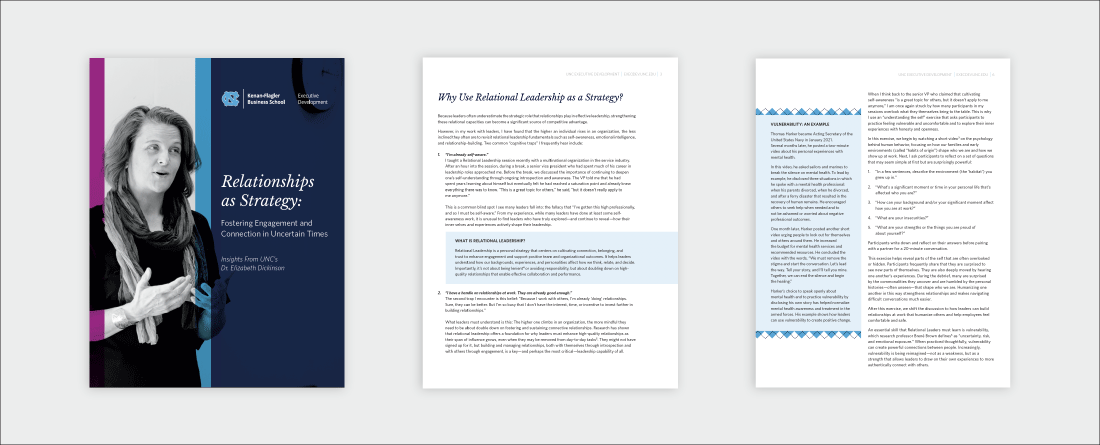
This article draws on insights from Don Lang and Laura Butcher of UNC Executive Development, as featured in our downloadable whitepaper Hiring Top Talent Begins with a Talent Mindset. It shows how high-performing organizations can stand out by adopting a Talent Mindset: a deliberate long-term approach to attracting, engaging, and developing top talent.
1. Strengthen Your Talent Brand to Attract the Right People
Organizations with a strong Talent Mindset treat their Talent Brand as a strategic asset. Leaders understand that every interaction, from onboarding through performance feedback, influences how the organization is viewed in the talent marketplace.
Why It Matters
Your Talent Brand reflects what people say about working at your organization when leadership is not present. It also extends beyond compensation and benefits, as today’s candidates increasingly value purpose, flexibility, development opportunities, and culture—even ahead of pay.
How to Build It
- Seek regular input from employees, contractors, interns, and candidates to understand what they value most.
- Monitor external perceptions through social platforms and employee review sites.
- Track indicators such as time-to-hire, referral rates, and engagement metrics.
- Clearly and consistently reinforce the elements that differentiate your employee experience, such as career growth, meaningful work, flexibility, or culture.
While hiring activity may occur in cycles, cultivating a strong Talent Brand is continuous, and leaders play a defining role in shaping it every day.
2. Build a Virtual Bench: Your Ready-to-Go Talent Pipeline
A Virtual Bench is a deliberately cultivated pool of trusted, pre-qualified talent that leaders can draw on as future needs emerge. Building a Virtual Bench enables leaders to identify potential early, develop relationships thoughtfully, and maintain visibility into available skills so they are better prepared as business needs evolve.
Why It Matters
Waiting until a position opens often limits options and increases pressure. A Virtual Bench mitigates these challenges by creating a curated pool of individuals whom leaders already trust and can envision joining the organization.
How to Build It
- Identify two or three individuals today who could be strong candidates for future roles.
- Maintain regular contact with high-potential talent, even when no immediate opportunity exists.
- Partner with HR to conduct periodic internal talent reviews.
- Network with purpose across functions, levels, and teams.
By developing talent relationships before they are urgently needed, organizations reduce pressure, expand options, and improve decision quality. Over time, this approach supports a more confident and proactive leadership culture, with talent discussions that are ongoing, informed, and aligned with the organization’s long-term direction.
3. Shift from “Filling Roles” to “Solving Talent Needs”
A Talent Mindset encourages leaders to pause and assess the underlying business need before initiating a hiring process. This thoughtful approach supports more strategic outcomes and reinforces confidence in how the organization manages its people.
Why It Matters
One of the most meaningful shifts leaders can make is moving away from the assumption that every vacancy requires an immediate replacement. Organizations that default to backfilling roles often miss opportunities to rethink how work is structured, how capabilities are developed, and how resources are allocated.
How to Build It
Before opening a requisition, consider:
- Is this work still required in its current form?
- Can responsibilities be redistributed effectively?
- Is there an internal candidate ready for development?
- Could a job share or internship address the need?
Reframing hiring decisions around business needs rather than job titles enables organizations to deploy talent more effectively and sustainably. This approach encourages leaders to think creatively about capability, development, and resource allocation, often uncovering solutions that strengthen teams without defaulting to external hiring.
Making the Talent Mindset a Leadership Standard
A Talent Mindset is a leadership discipline that shapes how organizations plan, decide, and perform over time. When leaders consistently view talent through a strategic lens, they move beyond short-term fixes and begin building the capabilities required for long-term success.
Strengthening your Talent Brand, maintaining a Virtual Bench, and approaching hiring as a broader talent solution are mutually reinforcing practices. Together, they create an organization that is more intentional, more resilient, and better prepared for change.
To explore how a Talent Mindset can strengthen your organization’s competitive advantage, download the full whitepaper Hiring Top Talent Begins with a Talent Mindset by Don Lang and UNC Executive Development’s Laura Butcher. This resource offers practical guidance to help leaders build a more deliberate and strategic approach to attracting, engaging, and developing high-quality talent.