

The office has now spread everywhere, becoming a hybrid of off-site and on-site work. Both setups have their benefits. On-site work makes it easier to build culture, and the accessibility of Zoom meetings for off-site employees gave way to asynchronous work. Regardless of the environment and an employee’s physical location, team members still need trust to create a binding corporate culture. According to UNC Professor Dr. Arvind Malhotra, a new corporate culture has emerged that requires managers to intentionally bring people together because proximity is no longer happening.
What does a corporate culture without a physical workplace look like? A culture built on trust.
- It trusts employees to know and do their work and provides them with the time they need to tackle their responsibilities.
- It trusts employees’ work habits and the times and places they choose to work. Without a dedicated physical space and time to work, trust is the better option over virtual monitoring.
Leaders should encourage employees to come together, experiment, and adopt best practices from others. In addition, they should leverage technology and the new tools that have been built to increase remote communication and collaboration. For example, utilizing group project management tools can help create a virtual table where teams can work together while working separately.
A trust-based virtual culture also acknowledges the importance of work-life balance. Managers and executives must build this culture daily by showing trust in their employees and modeling this behavior. If trust is just another slogan, employees are more likely to disconnect, disengage, or leave.

Company culture has been wounded by the pandemic, and we live in a unique and somewhat challenging time. The advantage of this is that leaders can now rethink and build a new culture around trust in ways that matter most. It is not just an idea, a slogan, or a fad. Trust is carried out through visible actions at all levels within the organization. Trust should be encouraged and rewarded as it has indefinite advantages.
Trust relies on strong connections between employees and alignment from senior leadership. Indeed, it cannot function without them. The new role of a leader is to create and maintain these connections, as they are not something that appears naturally. Connections and trust need to be built and sustained.
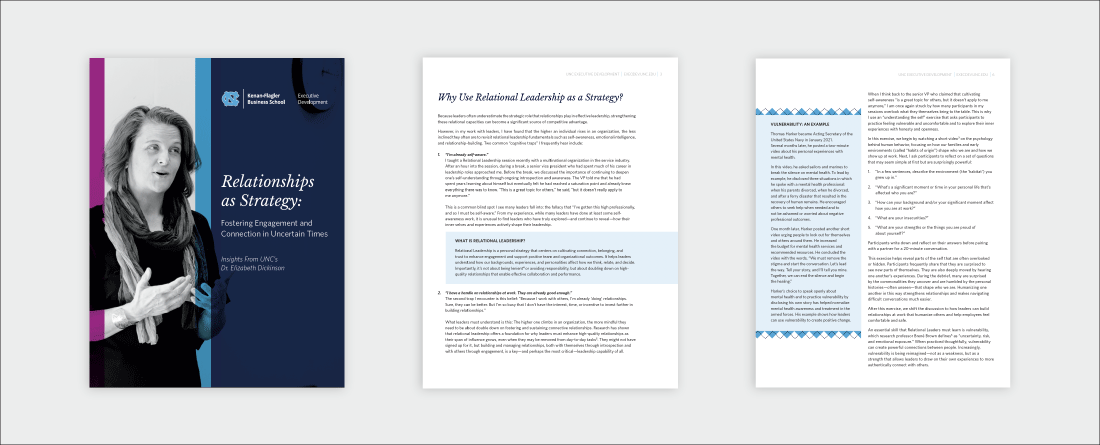
If you would like to continue learning about building a culture of trust and how to stimulate employee productivity and engagement in the work-from-anywhere environment, download the full white paper here.