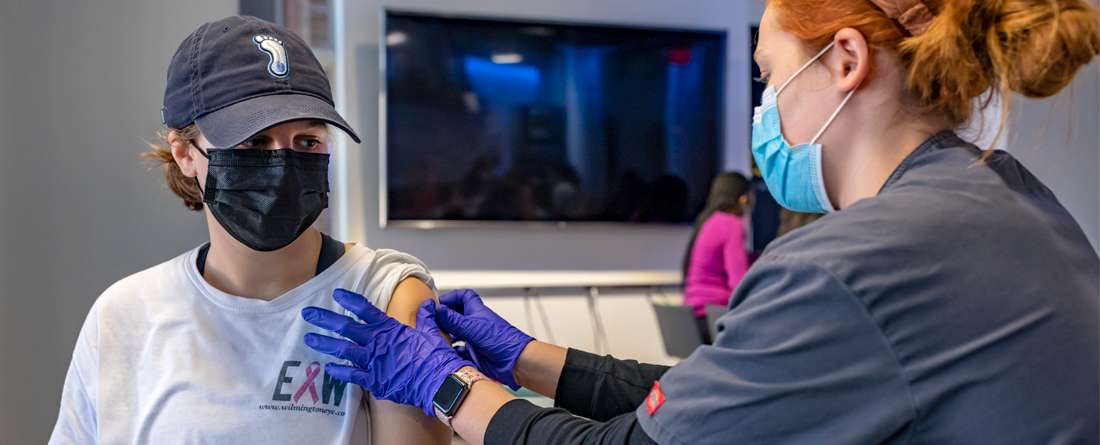



Across the United States, healthcare organizations are facing a critical shortage of skilled workers. From nurses and physicians to technicians and administrative staff, the pipeline of qualified healthcare professionals is shrinking while demand is rising. The risks of this shortage are strained teams, delayed care, and diminished outcomes for patients and the organizations that serve them. Talent and HR leaders need new strategies to attract, hire, and retain the workforce that healthcare depends on.
The Scope and Impact of the Challenge
The healthcare workforce shortage is a major staffing issue, largely driven by burnout and emotional stress. Across the United States, the healthcare industry is expected to need more than 4 million additional workers — including doctors, nurses, and medical assistants — within the next five years to keep up with growing demand.
The current shortage is a threat to the healthcare system’s overall effectiveness. Patient wait times are increasing, employees are leaving faster than they can be replaced, and the cost of turnover is growing. This issue compromises care and impacts overall organizational sustainability.
Rethinking Recruitment
While healthcare leaders once leaned heavily on financial incentives to fill roles, today’s workforce expects more. Workers now prioritize meaningful work, flexibility, well-being, and career development in addition to their compensation packages. Additionally, outdated hiring practices such as generic job descriptions and limited outreach create unnecessary friction in the hiring process. This combination can create hiring delays and missed opportunities to build a sustainable workforce that truly reflects the organization’s values and vision.
Leaders must look beyond traditional, short‑term hiring tactics and embrace a long‑term Talent Mindset — a proactive approach that redefines how healthcare systems attract and retain top talent.
The Talent Mindset Advantage
A Talent Mindset treats recruitment and hiring not as transactional HR processes but as business-critical capabilities. As discussed in our downloadable white paper Hiring Top Talent Begins with a Talent Mindset, this mindset emphasizes two key principles: Talent Brand and a Virtual Talent Bench.
1. Talent Brand
Your Talent Brand is the reputation your healthcare organization holds as an employer across the clinical and nonclinical labor market. It represents how current employees, job candidates, academic partners, and the broader community perceive the experience of working within your system.
In healthcare, a strong Talent Brand reflects the values and behaviors that shape the care environment: compassion, teamwork, safety, professional growth, and a commitment to patient well‑being. It communicates what people can expect from your organization as a place to build a career—how employees are supported, how leaders show up, and how your organization invests in learning, belonging, and quality care.
A healthcare Talent Brand develops through everyday interactions and signals, including how clinicians are treated, how teams collaborate, how leaders respond during high‑stress periods, and how consistently the organization delivers on its mission. It is reinforced through employee stories, word‑of‑mouth in the medical community, clinical training experiences, and feedback shared on external platforms.
When thoughtfully cultivated, a Talent Brand becomes a source of strength. It attracts people who align with your mission, increases engagement among current employees, and helps your organization compete for clinical and operational talent. It serves as a lens through which healthcare workers evaluate whether your environment supports their ability to provide excellent care and grow in their profession.
2. Virtual Talent Bench
A Virtual Talent Bench is a strategic pool of internal and external individuals who bring the right skills, mindset, and cultural alignment to succeed in your organization. This group may include strong past candidates, high‑potential employees, residents and students who trained within your system, former employees who remain connected to your mission, and professionals met through conferences or academic partnerships.
Because healthcare roles require specific credentials, the bench should also track licensure, specialties, and certifications alongside overall readiness. Over time, the bench will become a steady source of qualified talent, supporting continuity of care and helping your organization fill critical roles more efficiently.
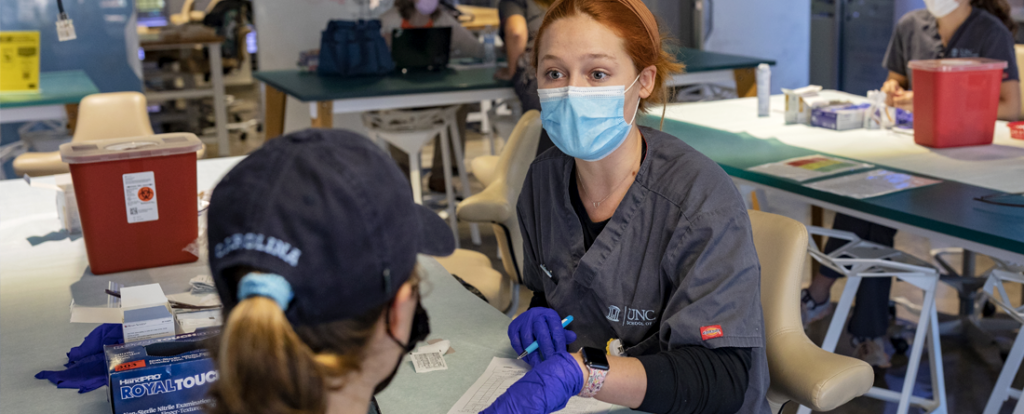
Build a Resilient Talent Pipeline
Your organization can strengthen its talent pipeline by sharpening its Talent Brand and building a well‑maintained Virtual Talent Bench. Together, these efforts will create a flow of mission‑aligned individuals who understand your culture, have the capabilities your teams rely on, and are already connected to your organization. With these foundations in place, leaders will be better equipped to anticipate staffing needs and match the right people to the right roles at the right moment, supporting continuity, stability, and long‑term workforce health.
1. Clarify and Elevate Your Talent Brand
Your organization can strengthen and elevate its Talent Brand by engaging employees to surface what people value about working in the organization and by making these strengths visible in daily operations and leadership behaviors:
- Identify what employees value most by gathering themes through stay interviews, pulse surveys, and frontline listening sessions.
- Ensure leadership behaviors reinforce your message, including regular rounding, transparency during high‑stress periods, and active support for development.
- Refresh your external messaging—job descriptions, career‑site content, onboarding materials—to reflect authentic employee experiences and organizational strengths.
- Share employee stories that highlight teamwork, patient‑care excellence, and career growth within the system.
- Monitor internal sentiment and external feedback to understand how your brand is perceived and where adjustments may be needed.
When the Talent Brand is clear, consistently reinforced, and aligned with employee experience, an organization becomes more attractive to skilled professionals seeking a mission‑driven environment where they can grow.
2. Develop a Virtual Talent Bench
Building an effective Virtual Talent Bench begins inside the organization. Regular discussions across departments can uncover employees ready for expanded responsibilities and identify areas where talent development is needed. Informal connection points, such as lunch‑and‑learns or peer‑to‑peer shadowing, give emerging talent visibility and keep internal mobility strong.
Your bench should also extend beyond your walls. Engaging with promising professionals through clinical rotations, academic partnerships, conferences, and alumni networks broadens your pipeline and increases your ability to respond quickly when roles open.
To build and sustain a strong Virtual Talent Bench, leaders can:
- Hold ongoing cross‑functional talent reviews to map internal strengths, identify gaps, and highlight employees ready for advancement.
- Create visibility for emerging talent through leadership development programs, clinical ladders, mentoring, and informal learning opportunities.
- Track key information—licensure status, certifications, specialties, and career interests—to match individuals to future roles.
- Maintain relationships with promising external contacts, including strong past candidates, former employees, residents, and students who trained in your system.
- Stay active in professional networks and academic partnerships to deepen connections with potential future hires.
- Use a shared, centralized system for maintaining bench information so HR and operational leaders can easily access and update talent data.
A well‑maintained Virtual Talent Bench is a strategic asset, allowing an organization to fill roles more efficiently, supporting continuous, high‑quality care, and fostering long‑term workforce stability.
A Call to Action for Healthcare Leaders
Addressing the healthcare talent shortage requires intentional, long‑term strategy. Meaningful progress starts with leaders in talent, HR, and operations treating hiring as a strategic capability that strengthens patient care, team stability, and organizational resilience.
Embedding a Talent Mindset across the organization shifts hiring from reactive to forward‑looking. HR and operational leaders who collaborate intentionally can better anticipate staffing needs, streamline decision‑making, and create a consistent experience for candidates and employees. A workplace shaped by a Talent Mindset is an environment where people feel supported, recognize meaningful opportunities to grow, and stay connected to the mission of improving community health.