


Too often, succession planning only becomes a priority when a leadership transition is already underway. When that happens, organizations risk disruption, uncertainty, and lost momentum. The most resilient organizations take a different approach by treating succession planning as a long-term strategic priority.
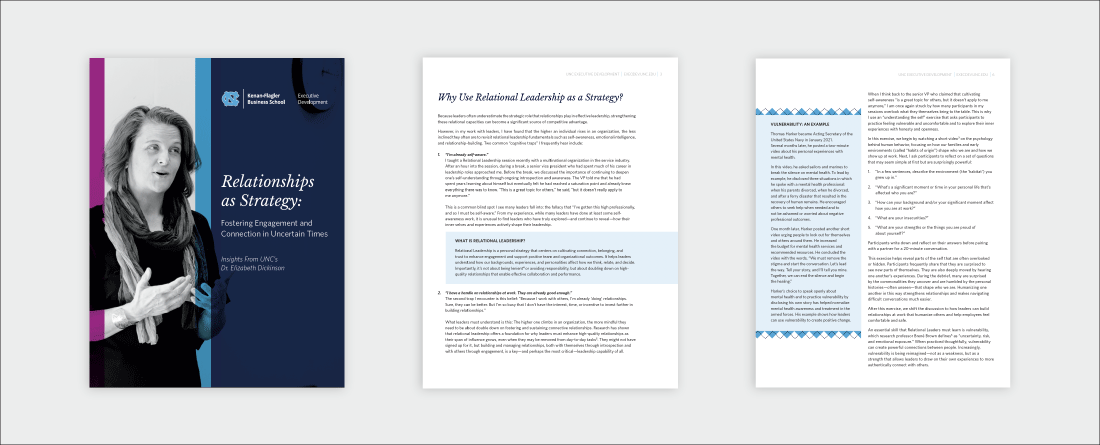
Drawing on the expertise of Professor Sekou Bermiss in strategy, leadership, and organizational behavior, this article features select insights from our downloadable white paper, 5 Steps For Effective Succession Planning You Can Do Today, to help leaders build succession readiness.
1. Identify Critical Leadership Roles
Effective succession planning starts with clarity. Before developing future leaders, organizations must understand which roles are truly critical to business continuity and long-term success.
- Identify leadership roles that would cause major disruption if left unfilled.
- Focus planning efforts on positions with the highest strategic and operational impact.
- Define core responsibilities, required skills, and success criteria for each critical role.
- Anticipate future organizational demands and leadership capability needs.
By clearly defining key leadership roles and their requirements, organizations create a strong foundation for proactive planning, ensuring they are prepared for both expected and unexpected transitions.
2. Build a Strong Talent Pipeline
Once critical roles are identified, the next step is ensuring there are capable leaders ready to step into them. This requires a deliberate and ongoing approach to talent development.
- Create clear development pathways for advancement.
- Identify high-potential talent using performance reviews, feedback, and data.
- Assess leadership behaviors and capabilities, not just technical skills.
- Provide development opportunities that include stretch assignments and cross-functional experiences.
A strong talent pipeline reduces transition risk while strengthening engagement and retention, positioning the organization to promote from within whenever possible.
3. Institutionalize Mentorship and Coaching
Leadership development does not happen by chance. Structured mentorship and coaching play a key role in preparing future leaders for increased responsibility.
- Pair emerging leaders with experienced executives to facilitate knowledge transfer.
- Provide coaching focused on decision-making and resilience.
- Integrate mentoring and coaching into formal leadership development and succession frameworks.
- Ensure leadership support so these practices remain consistent.
When mentorship and coaching are embedded into organizational practices, leadership development becomes consistent, scalable, and aligned with long-term succession goals.

4. Align Succession Planning With Organizational Strategy
Succession planning is most effective when it reflects where the organization is headed. Leadership development must keep pace with evolving priorities.
- Link leadership development priorities to strategic goals such as expansion or transformation.
- Identify future capabilities leaders will need to execute organizational strategy.
- Engage senior leadership and the board in succession discussions.
- Build shared accountability for leadership readiness.
By aligning succession planning with business strategy, organizations ensure future leaders are equipped to guide the company through growth, change, and transformation.
5. Revisit and Adjust Regularly
Succession planning is not a set-it-and-forget-it process. As organizations change, leadership needs and readiness levels must change as well.
- Review succession plans on a regular basis.
- Use data and feedback to assess readiness and identify gaps.
- Monitor progress across the leadership pipeline.
- Update succession plans as strategy and talent shift.
Regular assessment keeps succession planning relevant and effective, enabling organizations to adapt proactively and maintain leadership continuity over time.
Building Succession Planning Readiness for the Future
Succession planning readiness involves creating an environment where the organization has clarity, capability, and confidence during leadership transitions. It includes identifying potential successors, but also strengthening the systems, skills, and processes that support a smooth transfer of leadership.
Organizations that are truly prepared have defined critical roles, developed leaders with the right experiences, aligned leadership development to strategy, and built processes to regularly assess leadership readiness. By taking deliberate steps today, leaders reduce uncertainty, protect business continuity, and ensure transitions are managed with intention rather than urgency. Succession planning readiness allows organizations to move forward with stability, preserve momentum during change, and position future leaders to succeed from day one.
To explore the benefits of long-term succession planning, download the full white paper, 5 Steps For Effective Succession Planning You Can Do Today. Drawing on his expertise in strategy, leadership, and organizational behavior, Professor Sekou Bermiss of UNC Kenan-Flagler Business School shares practical, research-backed guidance leaders can apply immediately to strengthen succession readiness and prepare their organizations for the future.